DIY blind fitting vs professional installation for your home
@thesoftlightjournal
Choosing between fitting blinds yourself and booking a professional installation is a decision many homeowners face. Both routes can lead to a finished window, but the experience, time investment and final result differ considerably. Understanding what each option involves helps you match the approach to your particular situation.
The appeal of doing it yourself is clear. You work at your own pace, you avoid arranging appointments, and you keep the project entirely under your control. For someone comfortable with basic tools and confident taking accurate measurements, fitting a simple roller blind inside a square window recess can be a straightforward afternoon job. The main requirement is precise measuring and careful marking of fixing points. Even then, a small error in the width or depth of the recess can leave a blind that does not sit flush, lets in light at the edges or fails to operate smoothly. Brackets need to be level and securely fixed into brick, plasterboard or wood, and the operating chain or cord must be routed correctly for smooth movement and child safety.
On the other side of the decision lies professional installation. A fitter brings experience, proper tools and an understanding of how different window shapes, materials and blind types interact. They can handle awkward reveals, deep recesses and non-standard openings without the trial and error that often slows a DIY attempt. For homeowners who value a guaranteed result and do not want to spend a weekend measuring and drilling, the trade-off is worth considering. The cost of professional fitting is a factor, but so is the time saved and the reduced risk of a mistake that could mean ordering a replacement blind or repairing a damaged wall.
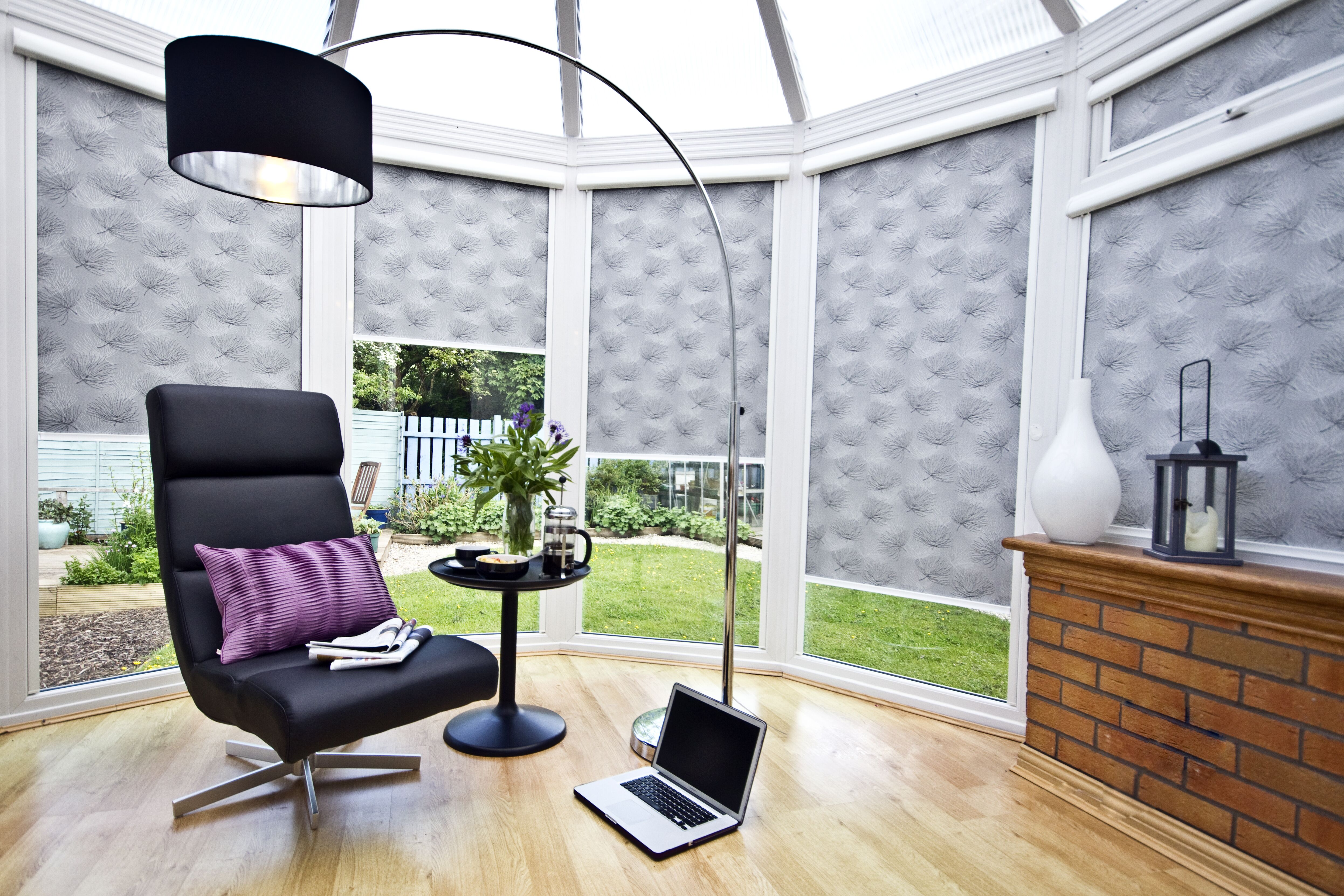
When professional blind fitting makes sense depends partly on the complexity of the window. Bay windows, large patio doors, conservatory rooflights and angled skylights all present challenges that test even a capable DIY enthusiast. Getting the angles right, ensuring perfect alignment across multiple blinds, and fitting brackets into tricky ceiling or wall positions often requires experience. A professional also handles the small but important details, such as trimming the bottom rail to clear an internal sill or adjusting tension on a spring mechanism so the blind stops at the right height.
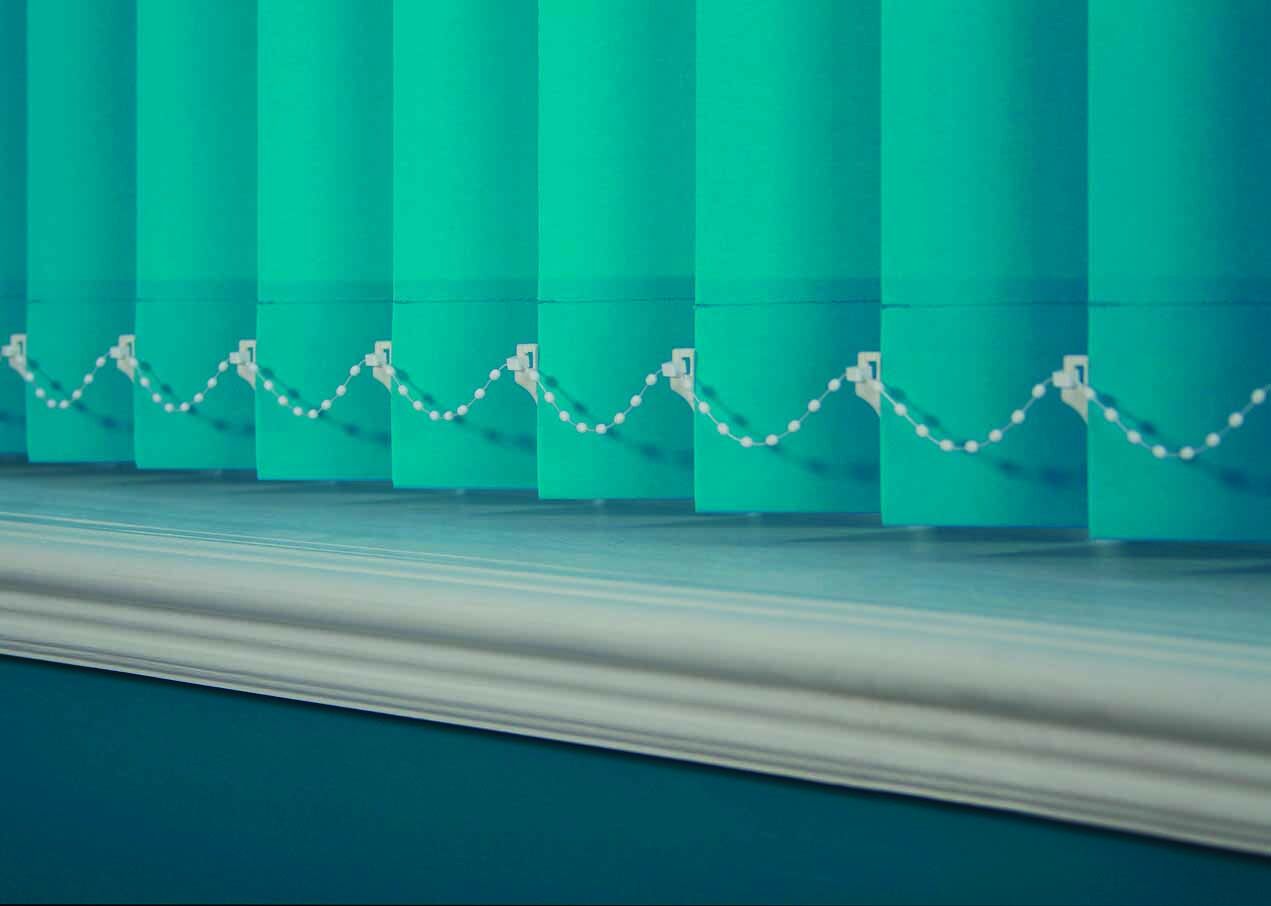
Another consideration is the type of blind itself. Roman blinds, wooden venetians and vertical blinds with multiple slats demand more precision in fitting and levelling than a simple cassette roller. The weight of a larger wooden blind means fixing points must be chosen and drilled correctly to avoid the blind pulling away from the bracket over time. Motorised blinds add wiring or battery placement, and the control system needs testing. A professional can anticipate these issues and avoid the frustration of a blind that sticks, wobbles or refuses to sit straight.
There is also the question of guarantees and aftercare. When a DIY installation goes wrong, the cost of replacing damaged blinds or repairing holes in a freshly decorated room falls entirely on the homeowner. Professional installation typically includes a guarantee on the fitting work, so any adjustment or correction needed in the first weeks or months is handled without extra charge. This peace of mind matters more for expensive or bespoke blinds where a loose bracket or misaligned track would be a significant disappointment.
For homeowners who choose the professional route, the process begins with a site survey. A fitter visits the property to take accurate measurements of each window, check the condition of the walls and ceiling, and discuss any special requirements. This survey removes the guesswork and ensures that the blinds ordered will match the exact dimensions of the window recess. It also gives the fitter a chance to spot potential problems, such as an uneven ceiling, a sloping sill or a wall that needs packing out behind the bracket. Once the measurements are confirmed, the order is placed and an installation appointment is booked. On the day, the fitter arrives with all the necessary tools, brackets and fittings, and completes the work in a fraction of the time a DIY job would take.
The choice between DIY and professional fitting also depends on how many windows you plan to cover. Fitting a single blind in a spare bedroom is a different proposition from kitting out an entire house with made-to-measure blinds in every room. The cumulative time, the number of fixings and the need for consistency across multiple windows can make professional installation more appealing. A fitter works efficiently and leaves each window finished to the same standard, which is hard to replicate when you are working room by room over several weekends.
For those who enjoy hands-on projects and have a straightforward window, DIY remains a satisfying option. The key is to be honest about your skill level, the condition of your walls and the complexity of the blind. A simple roller blind in a clean rectangular recess is a good starting point. A large bay window with three separate blinds, or a heavy blackout blind in a bedroom where perfect darkness matters, may be better left to someone who does this work every day. The margin for error is smaller with made-to-measure products because there is no slack in the dimensions. A few millimetres either way can mean the difference between a perfect fit and a blind that looks slightly off.
Homeowners across Derbyshire often look for locally installed made to measure blinds when they want a precise fit without the hassle of measuring and drilling themselves. The convenience of having a professional handle the entire process, from the initial survey to the final fitting, appeals to those with busy schedules or windows that are anything but standard. The same applies to anyone who has tried DIY in the past and ended up with a blind that did not sit straight or a bracket that pulled out of the wall.
Safety is another factor that favours professional fitting. Blinds with cords or chains must comply with child safety regulations, and the correct installation of tensioners, cleats and breakaway devices is critical. A professional fitter knows the current safety requirements and ensures that every blind is child-safe before they leave. In a DIY fitting, it is easy to overlook a detail that could pose a risk later, especially if the instructions that come with the blind are unclear or incomplete.
At the end of the day, the right choice comes down to confidence, time and the nature of the windows you are dealing with. A straightforward job on a standard window is well within the reach of a careful DIYer. A complex or large-scale project, or one where the finish matters a great deal, is usually better handled by a professional. Many homeowners start with the intention of fitting their own blinds and then realise, after a few hours of measuring and head scratching, that the cost of professional installation is a small price for a guaranteed result. Others enjoy the process and take pride in a job well done. Both approaches have their place, and the best decision is the one that leaves you with blinds that look good, work properly and stay safely in place for years to come.
When you choose professionally fitted blinds, you are paying for precision, speed and peace of mind. The fitter takes care of the tricky parts, such as ensuring the operating chain falls correctly, checking that the blind clears the window handle, and securing the brackets into solid material. They also dispose of packaging and leave the room clean. For many homeowners, that convenience alone justifies the extra cost. And if you are covering multiple rooms or a whole house, the consistency of a single fitter working through every window makes a noticeable difference to the overall look of your home.
Ultimately, whether you pick up a drill and a spirit level yourself or book an installation appointment, the goal is the same: blinds that fit your windows perfectly and work as intended. Understanding the trade-offs between DIY and professional blind fitting helps you make a choice that suits your home, your skills and your schedule. And if you decide that a professional is the right call, you can be confident that the result will be exactly what you hoped for, without the stress of doing it yourself.